Poltrona Zen nace desde una necesidad concreta: ofrecer una forma cómoda de sentarse en espacios compartidos, donde las personas no siempre están ni trabajando ni descansando del todo, sino en un punto intermedio.
Su altura media responde a eso. Permite sentarse de manera relajada, pero manteniendo cierta activación. Es una pieza pensada para momentos breves o extendidos: conversar, esperar, estudiar o simplemente hacer una pausa sin desconectarse completamente del entorno.
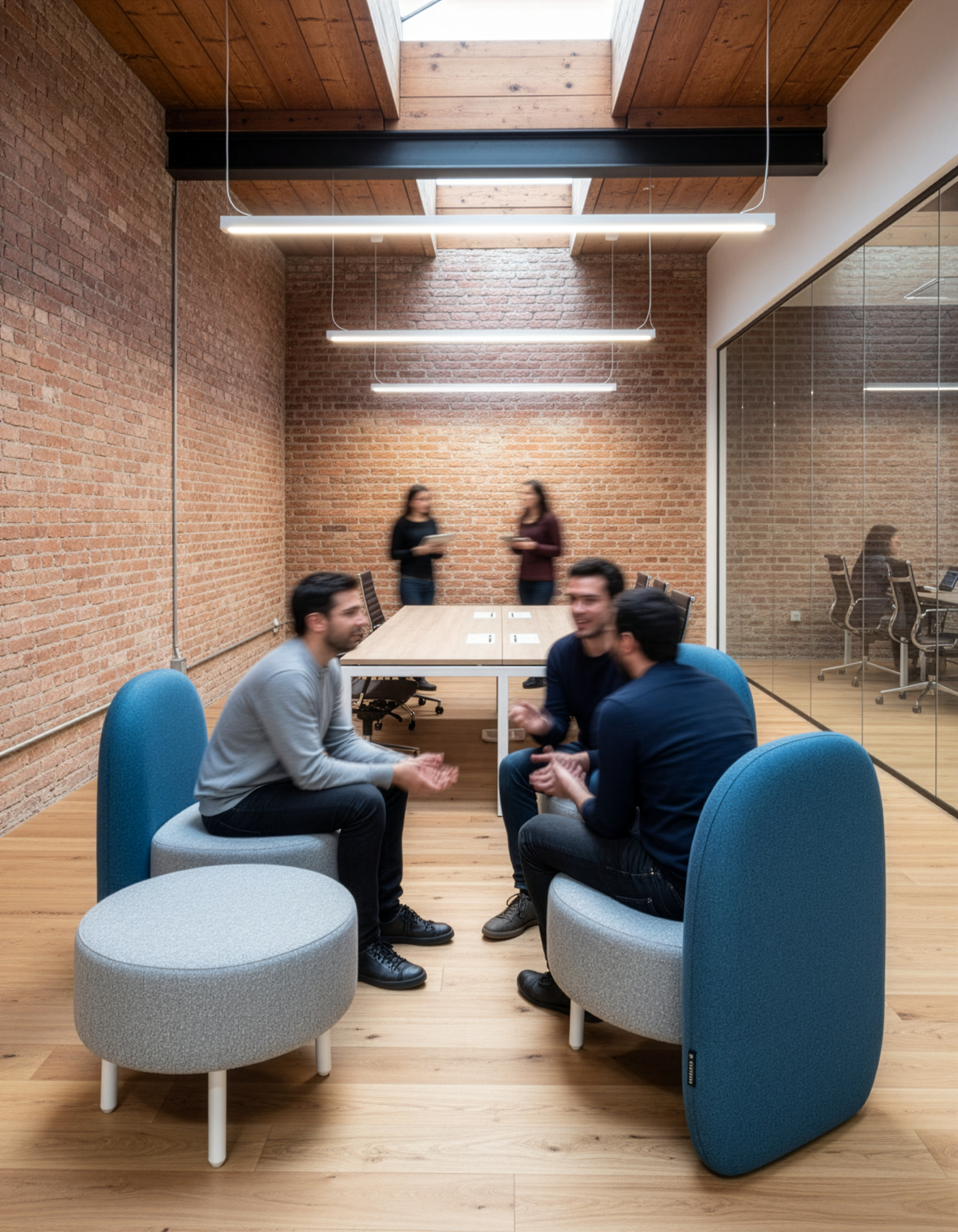
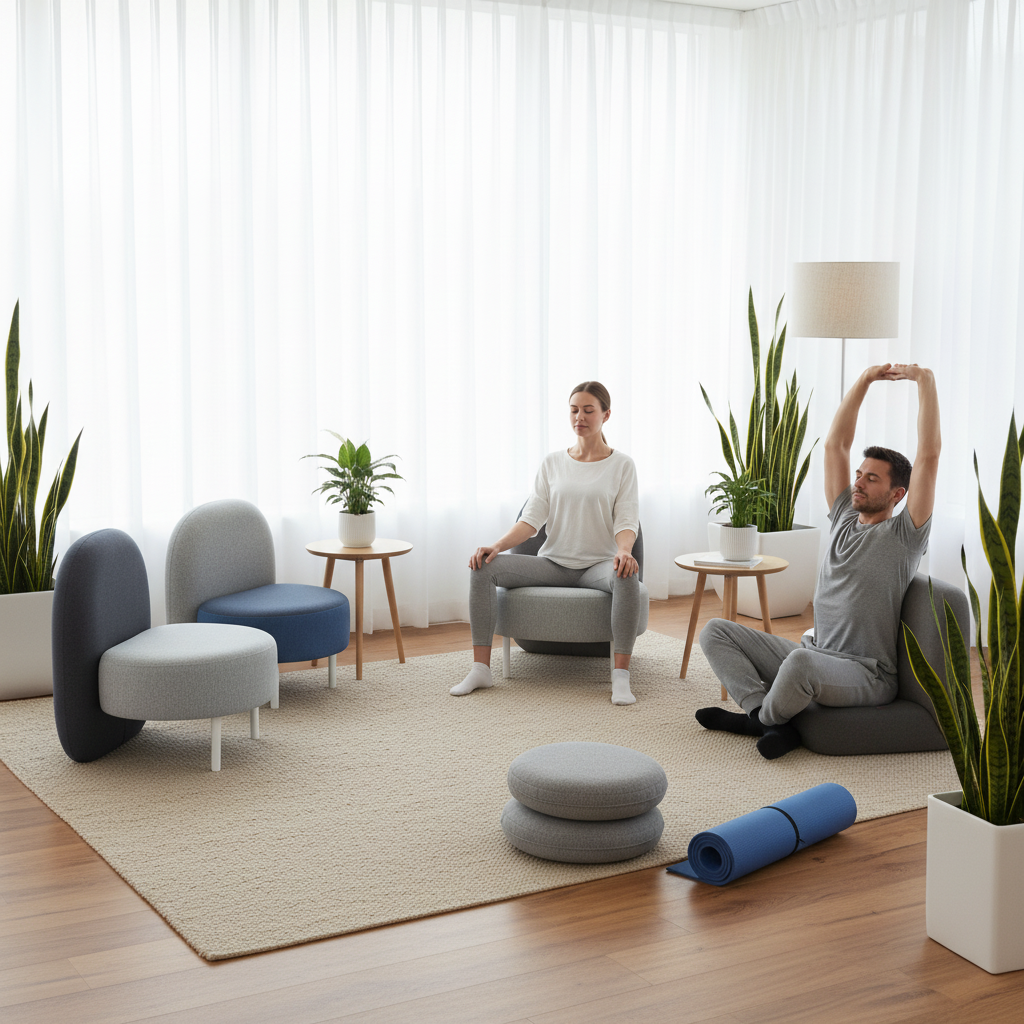
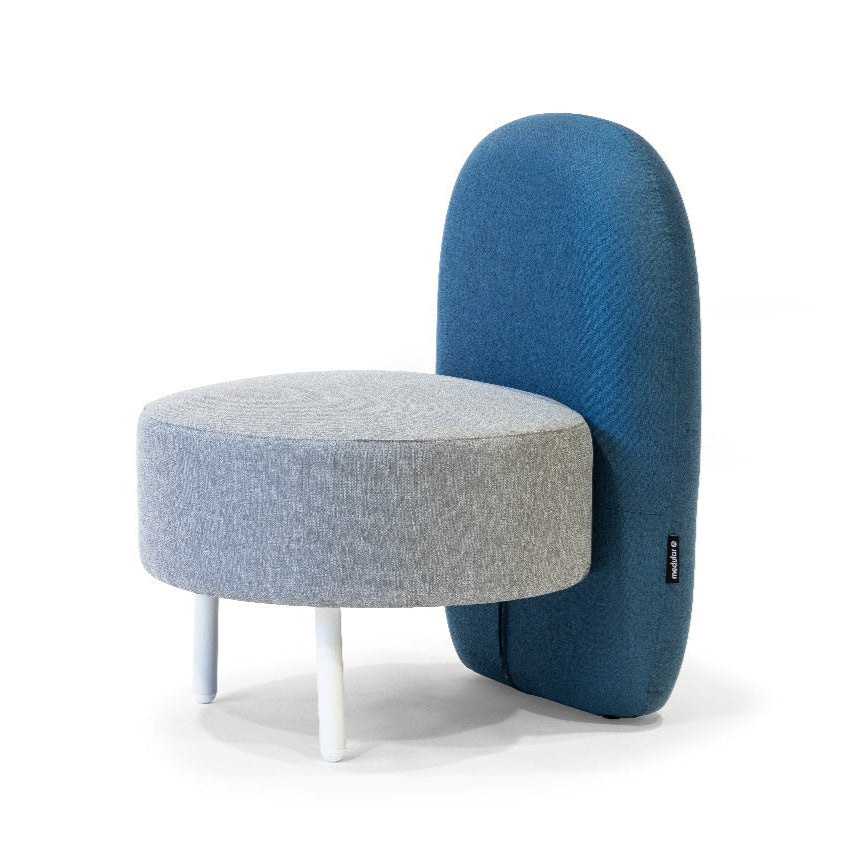
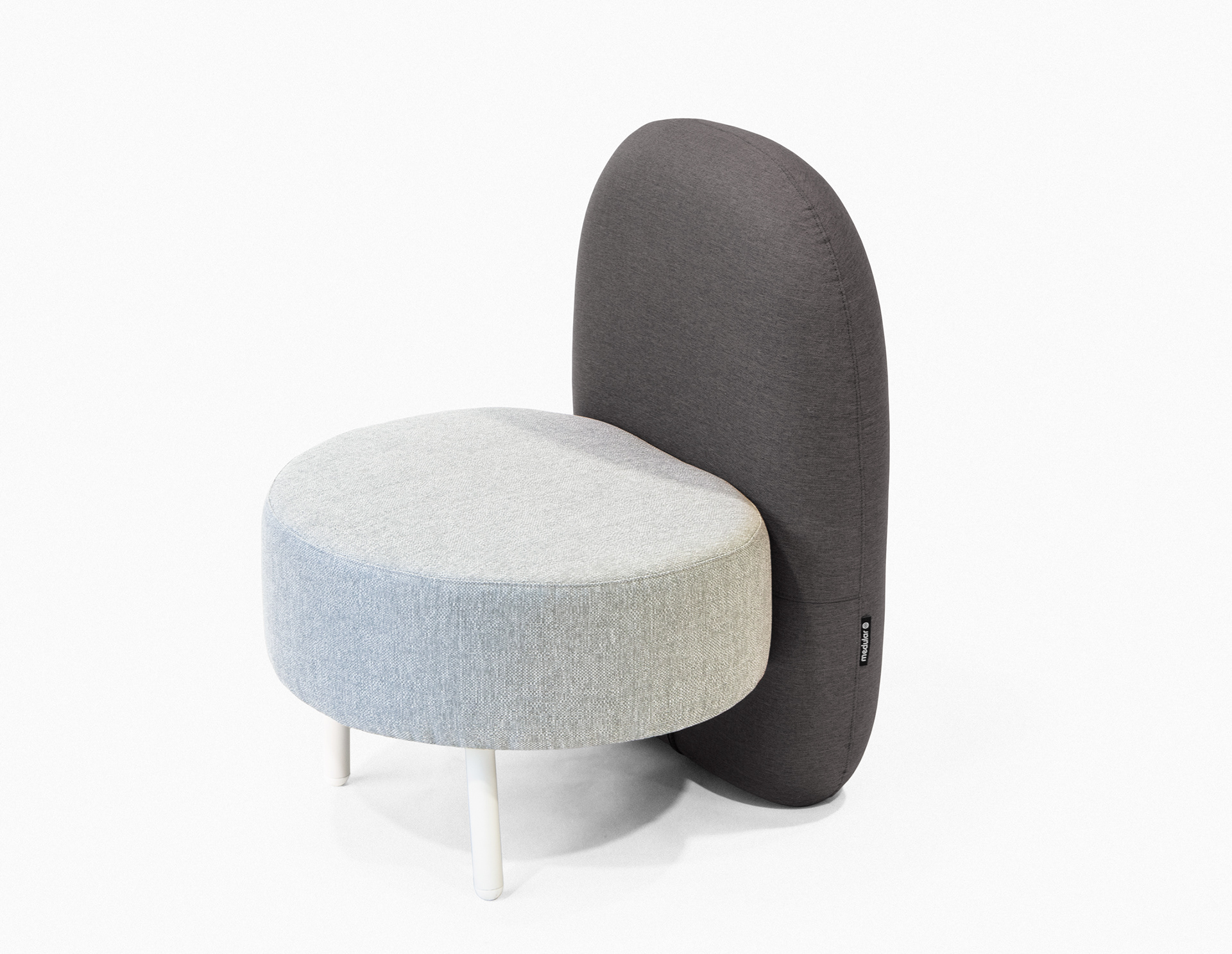
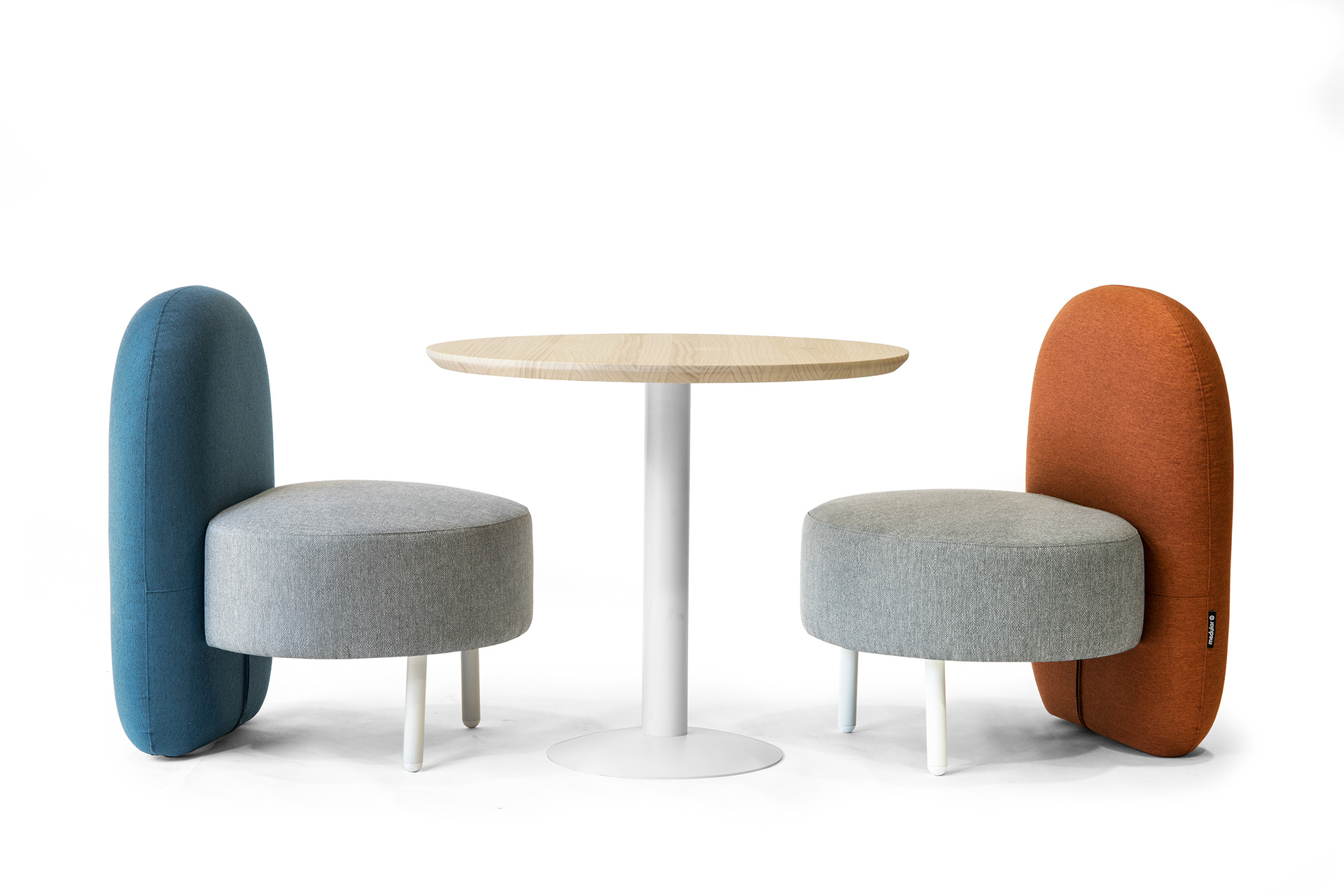
La forma es simple y clara. Un volumen horizontal define el asiento, mientras un respaldo vertical, de bordes suaves, entrega apoyo sin encerrar. No busca aislar, sino acompañar. Funciona bien tanto de manera individual como en conjunto, donde varias piezas empiezan a construir pequeñas zonas dentro del espacio.
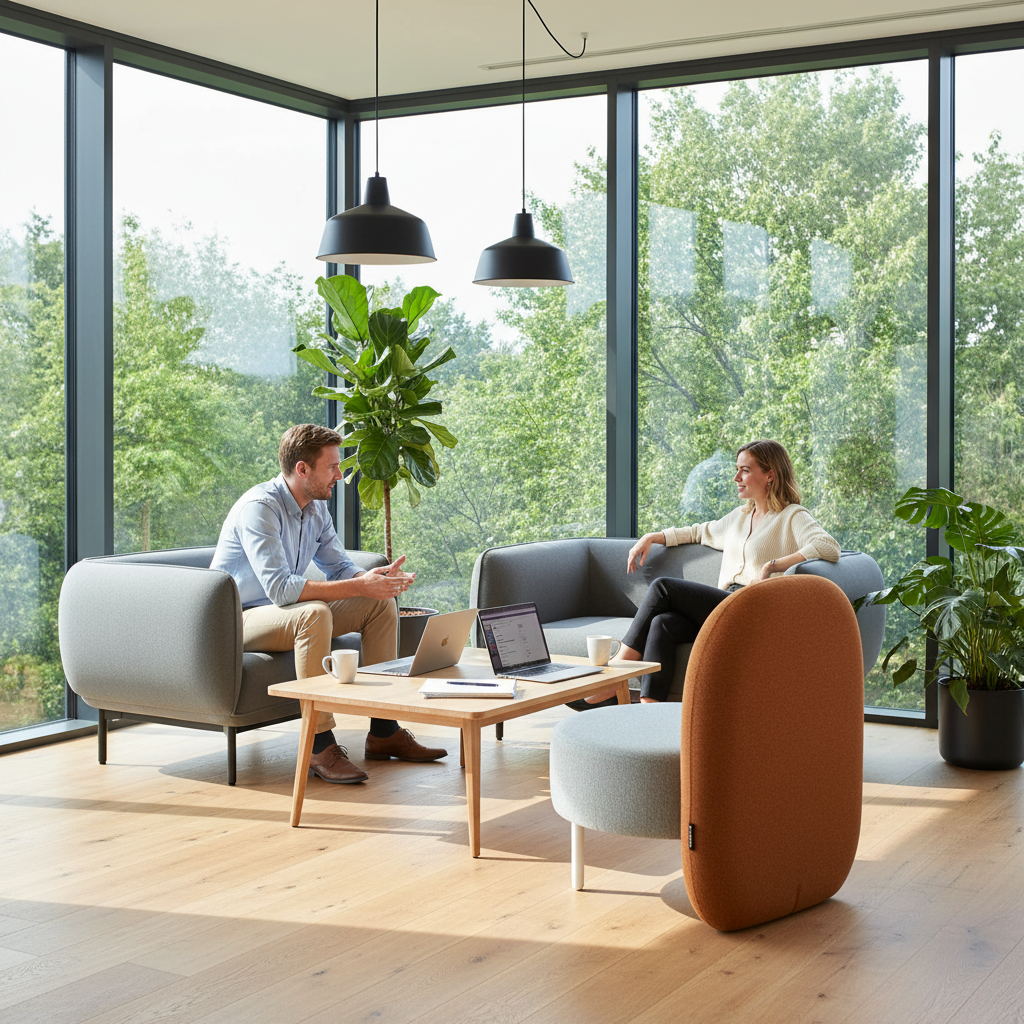
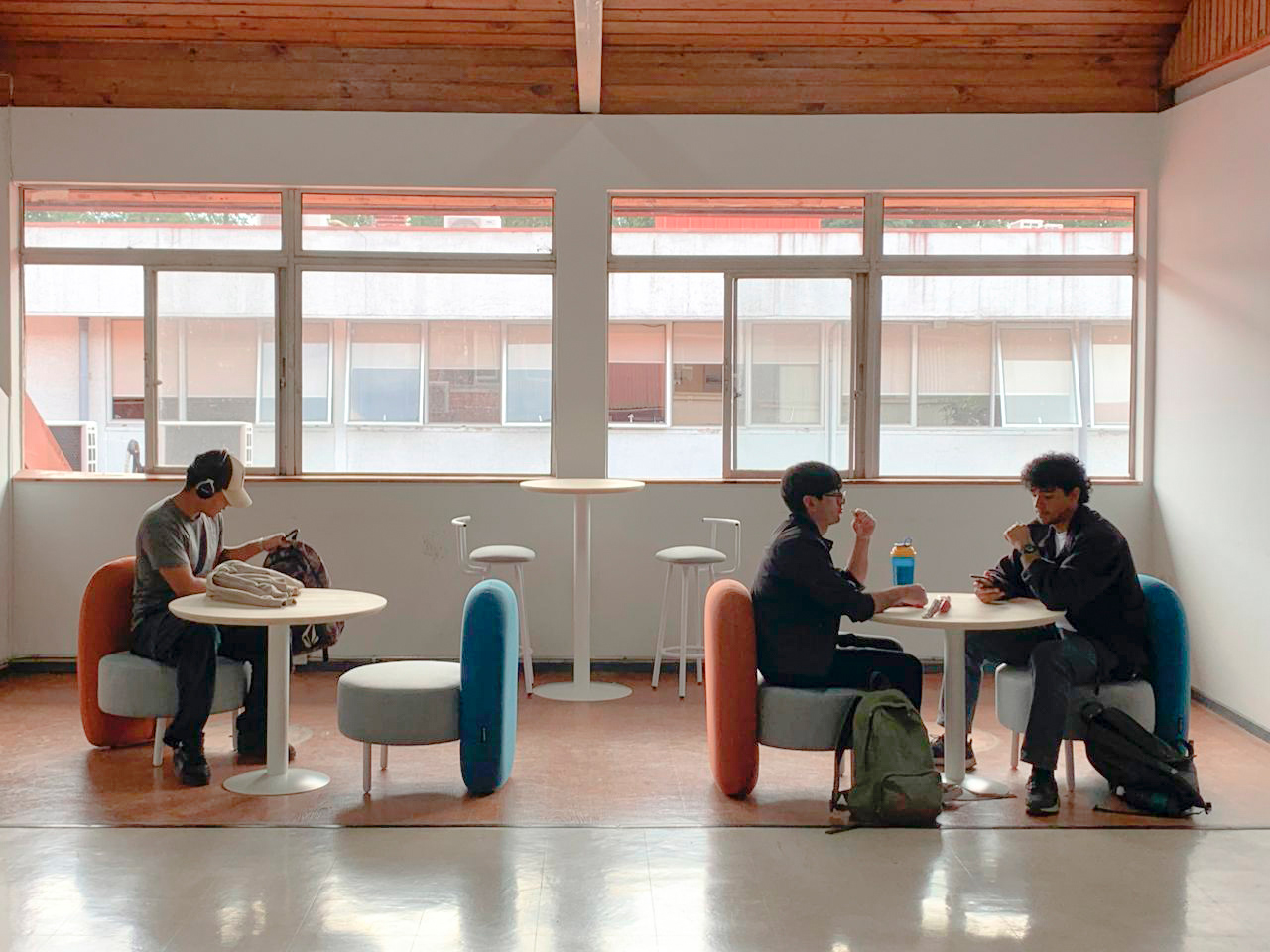
El lenguaje es limpio y directo, lo que facilita su integración en distintos contextos. Desde espacios universitarios —donde fue implementada inicialmente— hasta oficinas o áreas comunes, la poltrona se adapta sin dificultad. Los textiles y colores permiten jugar con combinaciones más neutras o incorporar acentos, según el carácter del lugar.
En uso, se entiende rápido. No hay instrucciones. Es una pieza cercana, que funciona desde la intuición y que aporta comodidad sin complejizar el espacio.
Poltrona Zen starts from a clear need: to offer a comfortable way of sitting in shared spaces, where people are not always fully working or fully resting, but somewhere in between.
Its mid-height responds to this condition. It allows for a relaxed posture while maintaining a certain level of engagement. It is designed for both short and extended moments—talking, waiting, studying, or simply pausing without completely disconnecting from the surroundings.
The form is simple and clear. A horizontal volume defines the seat, while a vertical backrest with soft edges provides support without enclosing the user. It does not aim to isolate, but to accompany. It works well as a single piece, and even better in groups, where multiple units begin to shape small zones within a space.
Its language is clean and direct, making it easy to integrate into different contexts. From university environments—where it was first implemented—to offices or common areas, the armchair adapts naturally. Textiles and colors allow for neutral compositions or more expressive accents, depending on the character of the space.
In use, it is immediately understood. There are no instructions. It is a familiar piece that works through intuition, offering comfort without complicating the environment.